
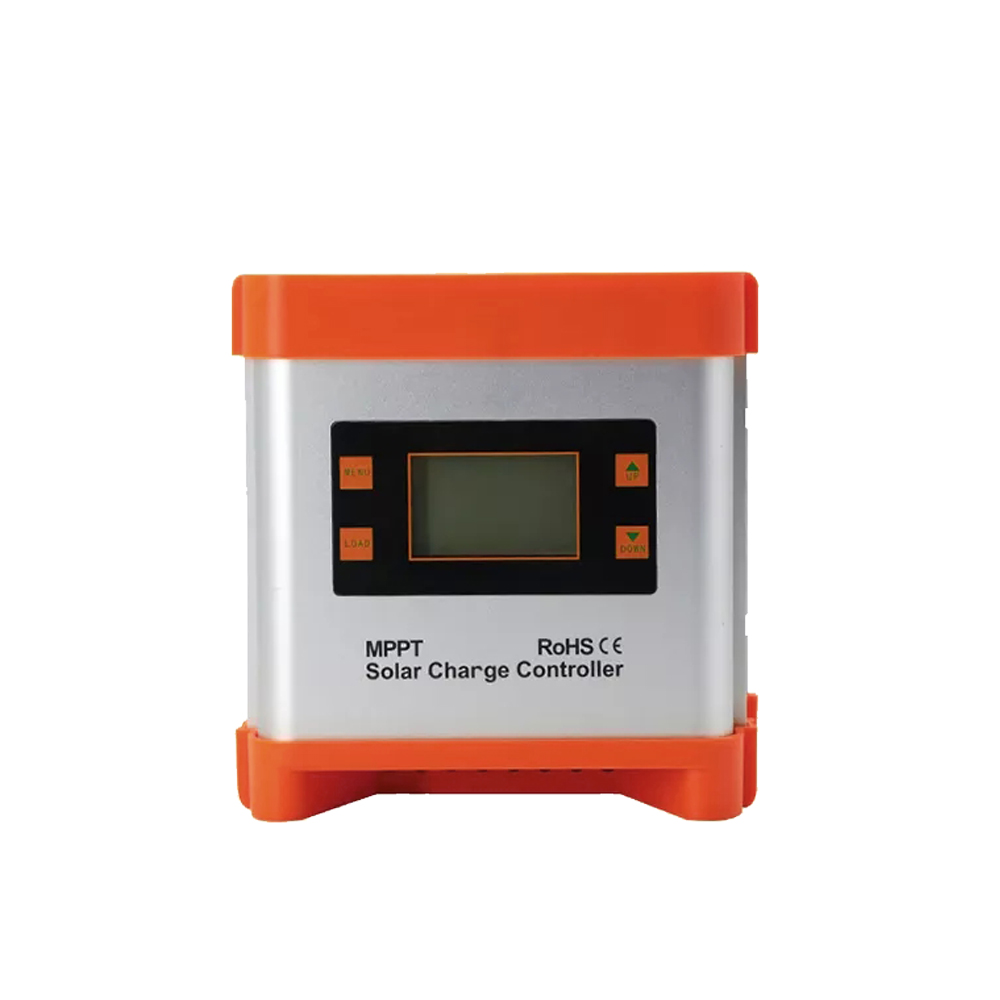
In the ever-evolving landscape of renewable energy, the demand for efficient and reliable home inverters has seen a significant surge. As households increasingly transition towards sustainable energy sources, selecting the best inverter for home use has become a crucial decision that impacts energy efficiency, cost savings, and environmental footprint. This article delves into the key features of an ideal home inverter and highlights how cutting-edge technology from industry leaders is shaping the future of residential energy management.
**Understanding the Role of Home Inverters**
Home inverters play a pivotal role in converting direct current (DC) electricity generated from renewable sources such as solar panels into alternating current (AC) electricity suitable for household appliances. This conversion is essential because most home appliances operate on AC power. An effective inverter not only ensures seamless power conversion but also optimizes the energy flow to maintain stability and efficiency in the home power system.
Apart from conversion efficiency, other critical factors when selecting a home inverter include power capacity, reliability, ease of installation, compatibility with various energy sources, and smart features such as grid interaction and energy storage integration. Inverters that integrate energy storage capabilities allow users to store excess energy for use during peak demand or outages, enhancing energy independence and cost-effectiveness.
**Technological Innovations Driving Home Inverter Excellence**
Recent advancements in inverter technology have resulted in devices that are more efficient, safer, and smarter. Modern inverters incorporate sophisticated algorithms for maximum power point tracking (MPPT), which ensures that solar panels operate at optimal efficiency under varying weather conditions. Additionally, the integration of wireless monitoring tools enables homeowners to track real-time energy production and consumption through mobile apps, facilitating better energy management.
Safety features such as automatic shutdown in case of grid failure, surge protection, and thermal management systems have become standard to protect both the inverter and connected home appliances. Furthermore, modular inverter designs offer scalability, allowing homeowners to expand their systems as energy needs grow without significant overhaul.
**Leading the Charge: Industry Expertise and Innovation**
One high-tech enterprise at the forefront of these innovations is Zhejiang Solarway New Energy Co., Ltd. Specializing in the research and development, production, and sales of new energy power conversion and energy storage equipment, the company has earned a reputation for delivering cutting-edge solutions tailored to residential energy needs.
With a commitment to quality and sustainability, Zhejiang Solarway New Energy leverages advanced manufacturing processes and rigorous quality control to produce inverters that meet international standards. Their products are designed to be user-friendly and adaptable, supporting various renewable energy configurations and storage systems, which accommodate diverse consumer requirements.
The company’s focus on integrating energy storage with power conversion technology sets it apart in the industry. By developing inverters that seamlessly manage energy flow between solar panels, batteries, and the grid, Zhejiang Solarway New Energy enables homeowners to maximize self-consumption of clean energy while minimizing reliance on conventional power sources.
**Benefits of Choosing the Right Home Inverter**
Selecting a reliable and efficient inverter yields numerous benefits for homeowners, including:
1. **Enhanced Energy Efficiency**: Optimized power conversion minimizes energy loss, making renewable energy systems more productive and cost-effective.
2. **Energy Independence**: Integration with battery storage allows for use of stored energy during grid outages or peak hours, reducing dependency on the utility grid.
3. **Environmental Impact**: Efficient inverters support the adoption of clean energy, helping to reduce carbon emissions and promote a greener lifestyle.
4. **Cost Savings**: Improved energy management and the ability to utilize stored solar power translate to lower electricity bills over time.
5. **System Longevity**: High-quality inverters protect the entire energy setup by managing voltage fluctuations and preventing damage, extending the life of solar panels and batteries.
**Global Trends and the Future of Home Inverters**
The global push towards renewable energy adoption is driving continuous advancements in the home inverter market. There is an increasing focus on integrating smart grid capabilities and artificial intelligence to enable predictive maintenance, dynamic load management, and enhanced grid stability. Additionally, hybrid inverters that can handle multiple energy sources such as solar, wind, and grid power are gaining popularity for their versatility.
As energy storage technology improves and becomes more affordable, the synergy between inverters and batteries is expected to grow stronger, providing homeowners with greater control and flexibility. The development of compact, modular, and scalable inverter systems will further democratize access to clean energy solutions.
**Conclusion**
The best inverters for home use are no longer just power converters; they are intelligent energy management systems pivotal to the success of residential renewable energy setups. Companies like Zhejiang Solarway New Energy Co., Ltd. exemplify the innovation and quality driving this sector forward, offering products that combine efficiency, reliability, and smart technology.
For homeowners looking to invest in sustainable energy, selecting a well-designed inverter that complements their energy goals is essential. By leveraging advanced inverter technologies, households can achieve higher energy efficiency, reduce costs, and contribute to a more sustainable future.
As the renewable energy landscape continues to evolve, staying informed about the latest developments in inverter technology will empower consumers to make choices that deliver long-term value and environmental benefits.